Are Oil Boilers Being Phased Out? (& What Will Replace Them?)

Nearly every home in the UK has a boiler.
And around 6% of these are oil boilers.
But at present, there is no outright ban on oil boiler. But they are being disicentivised by government policy.
So, are oil boilers being phased out? And what is likely to replace them?
Why will oil boilers be banned?
Oil boilers are not being banned, but they are largely being phased out across the UK.
Oil boilers are a popular solution for off-grid properties without a gas supply.
However, they lack efficiency and are significant contributors to carbon emissions.
They are viewed unfavorably by many government ministers and environmentalists for the following reasons:
- Climate change: Burning fossil fuels burn release greenhouse gases into the atmosphere. This plays a huge role in climate change. So, banning oil boilers can contribute to reducing further damage caused by climate change.
- Air pollution: Oil boilers also contribute to air pollution by release harmful substances, including nitrogen oxides, which lower air quality and damage people’s health.
- Energy efficiency: Introducing a ban would encourage more people to switch to renewable energy.
- Other government regulations: Countries worldwide are committing to reducing carbon emissions and rolling out new policies for clean energy production.
For this reason, their usage is declining. Most people are now more drawn towards other cheaper solutions.
Oil boiler replacements
1. Other types of boilers
Gas boilers
Gas boilers are the most common type of boiler in the UK, making up around 80% of all boilers.
However, they release large amounts of carbon dioxide and nitrogen oxide, which poses environmental and health risks (DeSmog).
Electric boilers
Electric boilers are more efficient than gas boilers, but less popular (making up only a few percent of boilers nationwide). They’re also expensive to run and still rely on the grid.
Biomass boilers
Biomass boilers are already gaining popularity as innovative alternatives to oil and gas boilers. They provide heat by burning:
- Chips
- Wood pellets
- Other organic materials.
While this might seem counterintuitive, biomass boilers are classed as carbon neutral. The carbon created during combustion is offset by plants during the growth period.
Biomass boilers require regular maintenance and take up more space than other heating methods. So, they’re more popular for industrial applications.
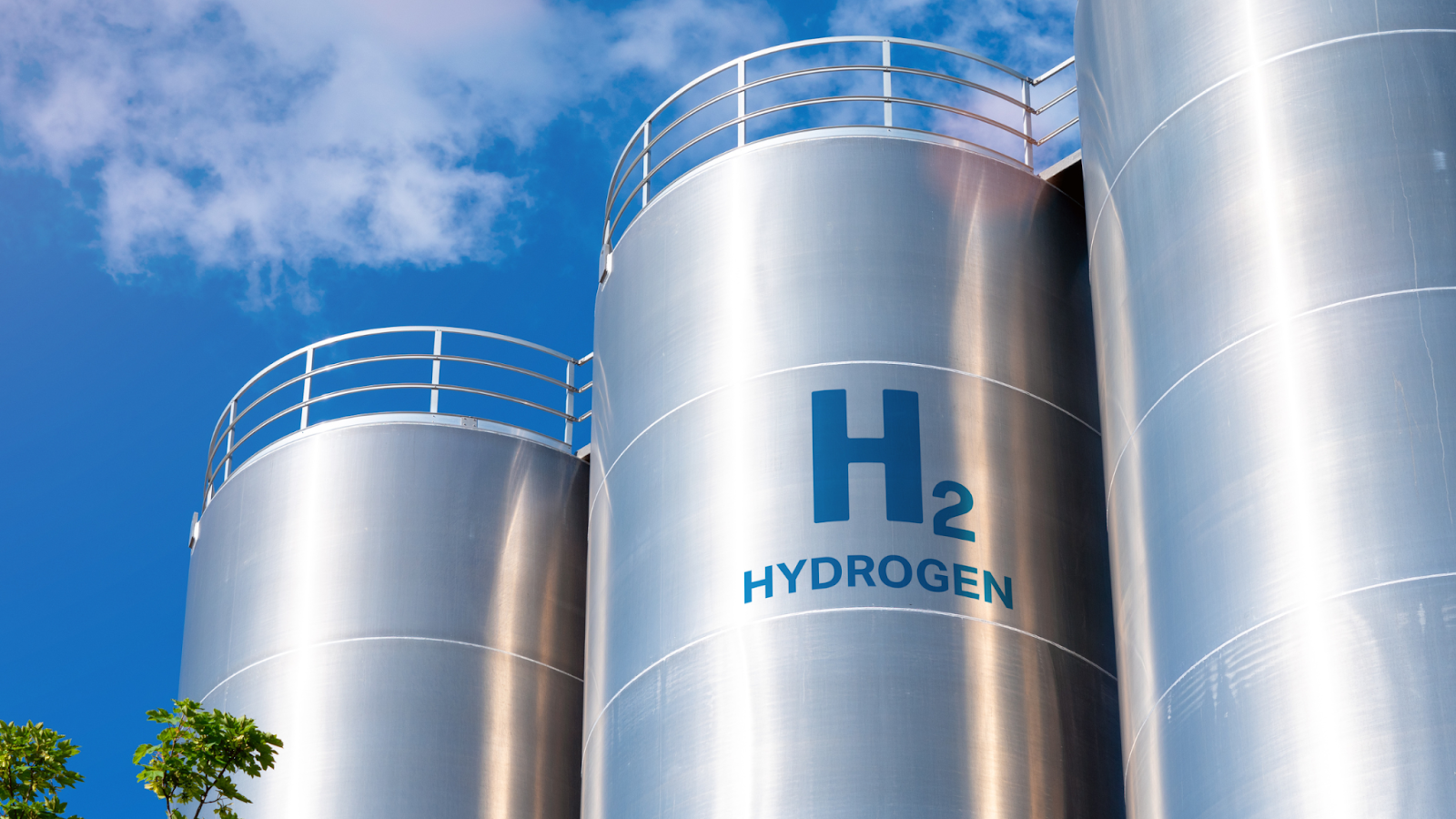
Hydrogen boilers
As of now, hydrogen boilers are a promising concept in the UK, but that could change by 2035.
Countries in Europe, including Germany and the Netherlands, are exploring the possibilities of hydrogen.
However, there’s still a long way to go. Producing and distributing hydrogen on a large scale remains an ongoing issue.
Despite the National Infrastructure Commission advising against hydrogen, the UK government is still exploring it as a possibility.
2. Heat pumps

Head to a Scandinavian country, and you’ll see heat pumps everywhere.
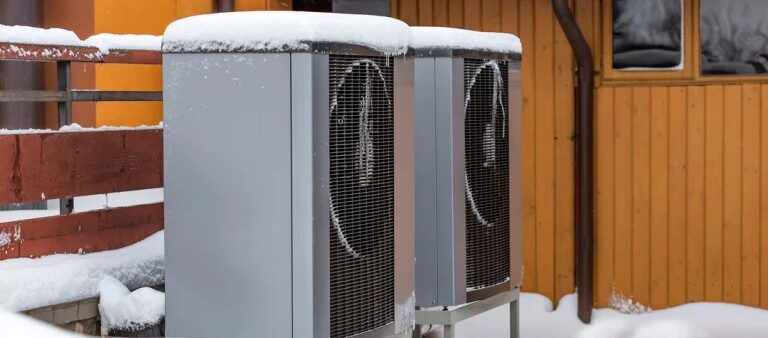
(This is why they produce great products, like the NIBE S2125. And why we are able to confidently say that heat pumps work well in cold weather!)
Up until recently, they hadn’t made much of an impact on the UK. This changed when the government committed to its Net Zero strategy.
Heat pumps are fast becoming a go-to solution for households and businesses. This is driven by several reasons, including:
- Heat pump installation process is relatively simple. Most heat pumps are fitted to the outside of buildings. This is only a problem in some specific cases (smaller and listed buildings, for example).
- Heat pump installation timelines can be relatively short. However, this largely depends on what kind of heat pumps are being installed.
- There is widespread availability of green energy grants in the UK.
And more!
Ground-source heat pumps
Ground-source heat pumps (GSHPs) are the best option for consistent heat generation.
They work by collecting heat from the ground and transporting it through pipework. The energy these pumps can provide hot water for your property and a consistent heating supply.
There are some disadvantages to heat pumps in general. And the main downside of GSHPs is the amount of space they need.
A smaller garden makes a horizontal pipe system impossible, but some installation companies can install vertical boreholes.
GSHPs are more expensive than other types of heat pump. But they can provide heat in below-freezing conditions without having to work harder.
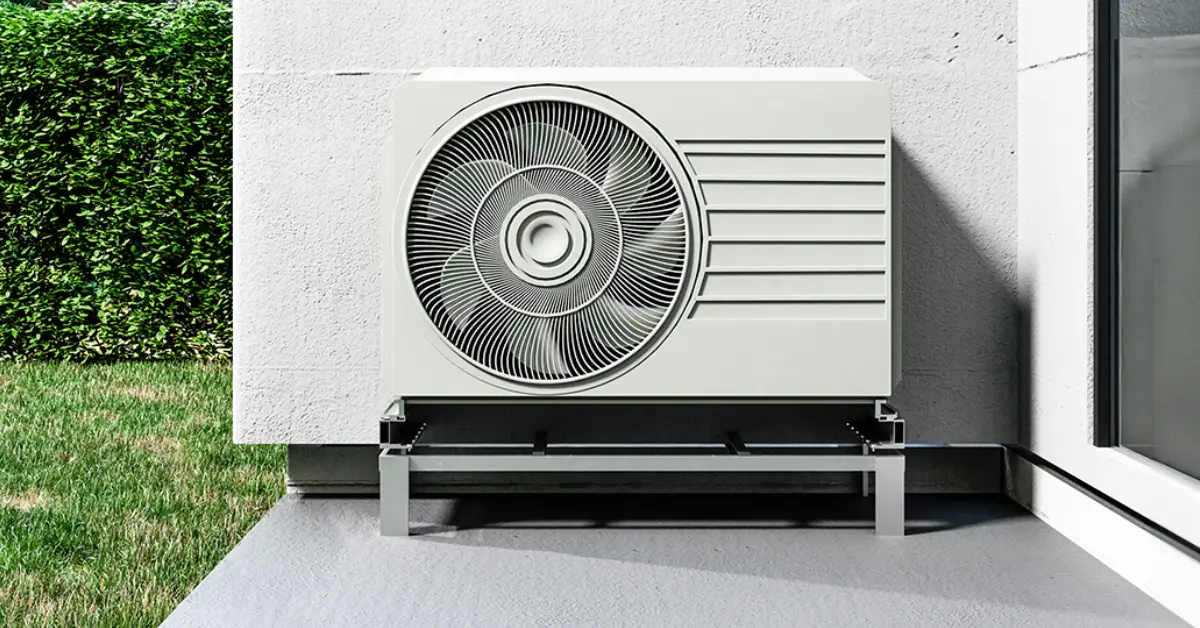
Air-source heat pumps
Most properties in the UK can accommodate air-source heat pumps, making them the most accessible solution.
They collect heat from the air, which goes through a conversion process. An internal unit then distributes it to either heat or cool your property.
While air-source heat pumps aren’t as consistent as ground-source pumps, they’re able to work in below-freezing conditions and are the most affordable option.
Most importantly, you can benefit from clean energy and eliminate your reliance on fossil fuels.
3. Solar power
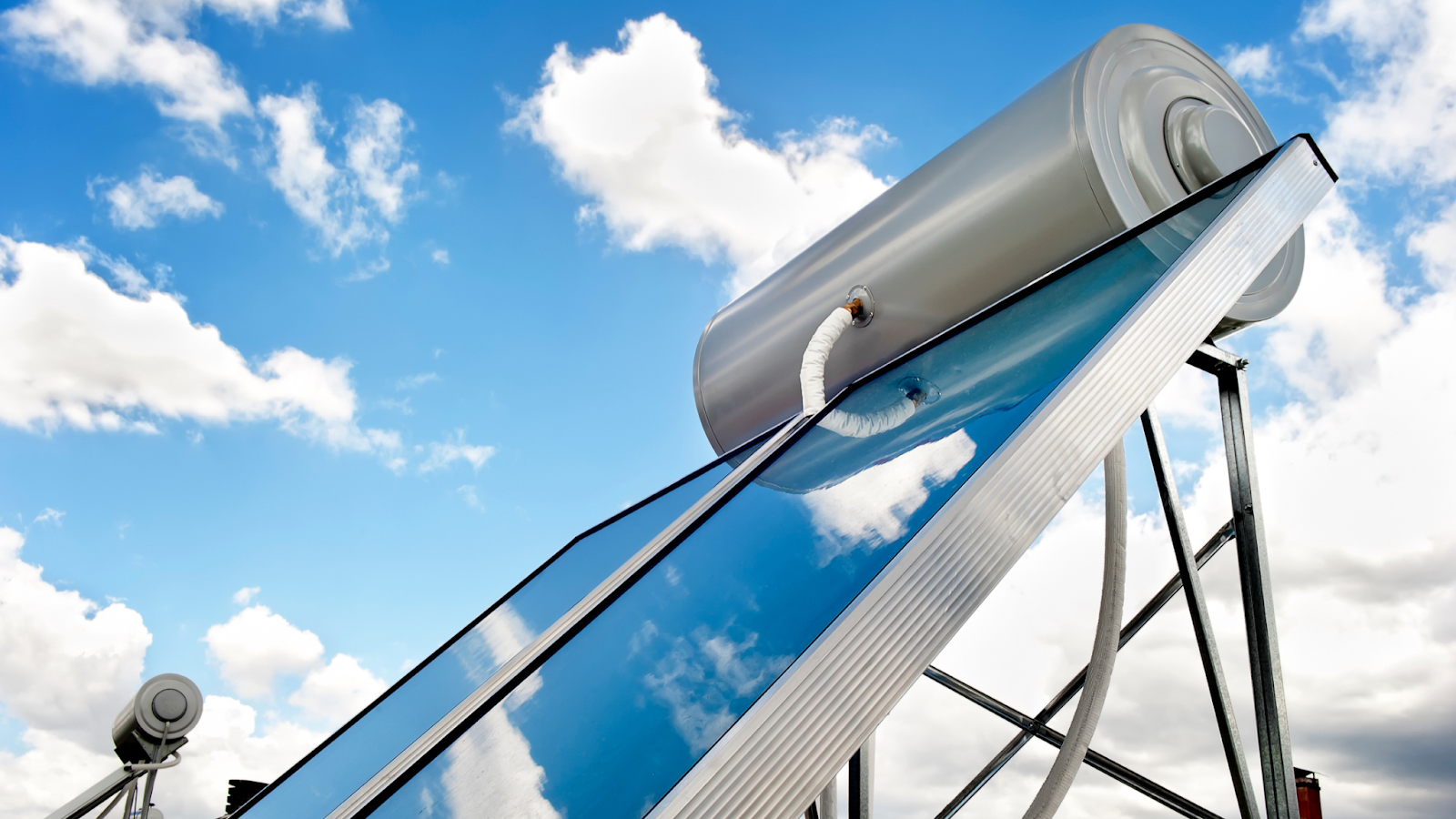
Most people associate solar power with electricity production, but it’s also a viable solution for heating a property.
How? By installing solar thermal panels.
Like solar panels, they take advantage of the sun’s energy to support your home.
The main difference? Instead of producing electricity, solar thermal systems heat water contained in a cylinder.
Once the water is hot enough, it can travel around the rest of your property, pretty much the same as traditional radiators.
While thermal panels are a viable option, the main issue is their dependence on sunlight, so they might struggle in the evening or on cloudy days.
For this reason, many people choose to use thermal panels to supplement their current heating system.
Read: Solar Power In China: Does It Show Us Our Future?
Which heating solution suits your needs?
The good thing about technology is that there’s a heating option for everyone.
From biomass boilers to heat pumps and solar thermal panels, households across the UK have several options. They will be able to choose one that aligns with their budget and long-term financial objectives.
While biomass boilers and thermal panels have their benefits, heat pump installation is an excellent way to produce clean energy and save money.
With the Boiler Upgrade Scheme offering up to £7,500 towards heat pumps, acting now means you’re planning for the future.
Geowarmth is an expert provider of renewable heating solutions.
Get a quote today or contact us with any questions.