Heat Pumps Disadvantages: The Real & The Myths
People often focus on the advantages of heat pumps, including their ability to:
- Preserve fossil fuels
- Heat and cool a property
- Reduce carbon emissions.
But heat pumps also come with some disadvantages.
These are worthwhile understanding if you are considering installing a heat pump.
After all, some of them are true, some are no longer true, and others come with important caveats.
1. Installation complexities
Heat pump installation timelines vary according to several factors.
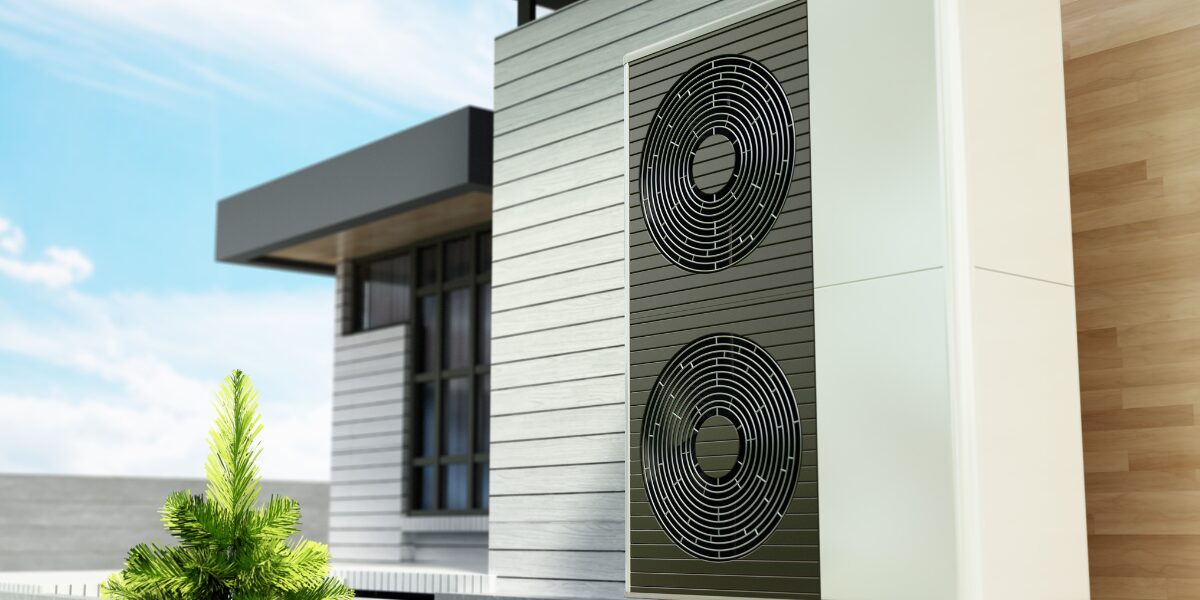
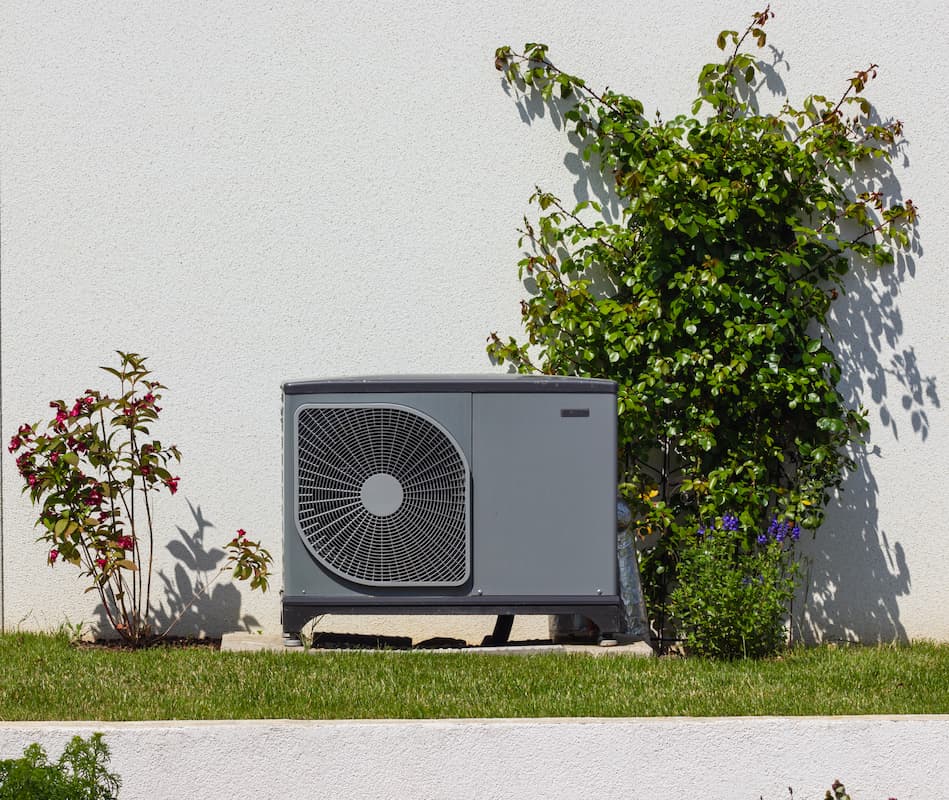
For example, if you opt for an air-source heat pump, you can usually look forward to a convenient heat pump installation process. They are suitable for most properties and simply go onto the building’s exterior.
However, water and ground-source heat pump installations are more complicated. These both require more planning and technical challenges, for example:
- Ground-source heat pumps require a large outdoor space to accommodate horizontal pipes. If you have a small garden, vertical boreholes are a possibility. But they’re even more complex.
- Water-source heat pumps require a nearby pond, river or lake, and your installation team will fit either an open or closed loop system.
2: Outright costs
Heat pump running costs are low and they lower your energy bills (especially if you combine them with solar panels).
Unfortunately, the up-front costs can be steep. The average heat pump costs at least £10,000.
Air-source heat pumps are the most affordable option. But water and ground-source pumps cost more, as they’re harder to install.
A vertical borehole system for your GSHP could cost over £40,000.
On a positive note, the UK government offers a range of green energy grants to households. One of these is the Boiler Upgrade Scheme (BUS), which offers £7,500 towards the cost of your heat pump.
3. Higher electricity usage
Heat pumps can only produce heat or cool air for your property with an electricity source.
Specialists estimate that a heat pump will take up to 25% of its energy from an electricity supply (not a problem for most households).
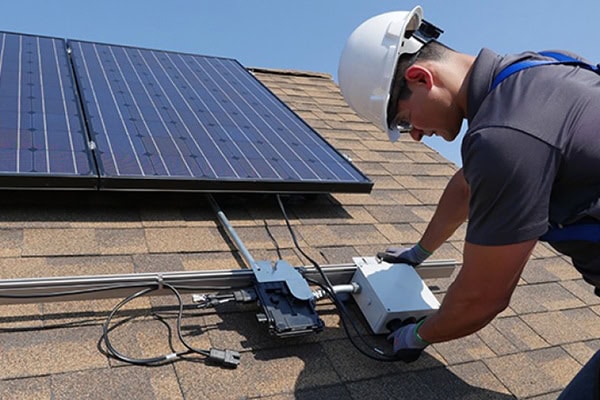
If you want to gain energy independence and reduce your reliance on the grid, solar panel installation is another wise investment.
The panels will generate clean electricity to run your heat pump, making a combination the most energy-efficient solution.
4. Less reliable in the winter
Good heat pumps work well in winter. However, many people have the misconception that they don’t.
In fact, both water and ground-source heat pumps offer year-round consistency, as they collect heat from stable temperatures.
And whilst air-source heat pumps were traditionally less reliable during colder months, modern models are changing this.
Take the NIBE S2125, for example. It was designed to work well in Sweden’s climate, which can reach much lower average temperatures than the UK’s.
In short, while heat pumps need to work harder in colder temperatures, they can still provide consistent heating.
5. Space issues
Most properties have no problem fitting a heat pump, but terraced houses or small apartments have limited space.
The heat pump you’re most interested in installing might not align with your property’s size and available space.
GSHPs
Horizontal ground-source heat pump systems require a minimum of 600 metres outside space, which is something that most households don’t have.
Vertical systems are an option but more expensive, with many exceeding £40,000.
WSHPs
If you have a nearby water source, installing these pumps means you don’t need to worry about having a large garden.
Your installation team will need to lay pipes and might suggest another option if the pond, river or lake is far away.
ASHPs
Air source heat pumps require the least space, as they have a compact design. You’ll need to consider whether there’s enough exterior space for optimal ventilation.
We recommend having at least 0.5 metres of space on either side of the pump and 1.5 metres to the front.
Indoor units
Your heat pump can only work if there’s an indoor unit that can heat or cool the building.
Most interior units are the same size as a hot water cylinder, so the majority of properties won’t have any issues installing them.
6. Noise level worries
Heat pump noise levels are a concern for many people.
While older heat pumps were noisy, modern alternatives are designed for quiet operation.
Ground and water-source heat pumps are the quietest options.
But air-source heat pumps increasingly don’t cause disruptions. The maximum noise levels for most modern models is only 60 decibels (even when the heat pump is working overtime).
7. Maintenance needs
The average air-source heat pump can last over 20 years today, which means that you’re making a long-term investment.
As with most appliances, your heat pump will need ongoing maintenance and services including:
- Changing filters
- Assessing refrigerant levels
- Identifying leaks
In general, it’s easy to maintain an air-source heat pump. With some suppliers, available plans means you won’t need to worry about repairs.
The pros of heat pumps far outweigh the cons
Heat pumps might have some minor disadvantages.
But technology will continue to advance, paving the way for households to get them for advantages such as:
- Preserving fossil fuels and protect the environment
- Creating clean energy and not relying on the grid
- Heating and cooling properties, reducing energy bills
- Gaining access to grants from the government that reduce the cost of heat pump installation
Ready to install a heat pump?
Heat pumps will continue to offer a range of benefits for residential and commercial properties.
While there are some minor drawbacks, investing in a heat pump is a positive step forward.
Geowarmth offers a range of heat pumps, including innovative payment plans. Our clients receive excellent prices, ongoing support and a professional installation.
Get a quote today!