Do Heat Pumps Cause A Lot Of Noise?
Most (approx. 75%) noise complaints in the UK are related to neighbours.
They can be broken down to three categories (in order of most to less common):
- Barking dogs
- Noise from leisure activities (including watching TV and parties)
- Other general noise (usually day-to-day activities noticed by poor sound-proofing).
So, as more people opt for heat pump installations, will this renewable technology cause more noise complaints?
Average heat pump noise levels
Early heat pump noise levels
The first heat pump was invented in 1855.
However, they didn’t gain much traction until the 1970s. And they weren’t considered a viable option for households until recently due in large part to their high noise levels.
Older heat pumps could reach noise levels that exceeded 70 dB. For reference, this is about the same noise level you’d hear standing 3ft away from any of the following:
- A hair dryer
- A vacuum cleaner
- Busy traffic.
This is above the level that’s generally considered safe for human ears.
It’s also likely the source of why many people still mistakingly believe that a big disadvantage of heat pumps is their noise levels.
Today’s heat pumps
Today’s heat pumps typically emit noise levels between 40 and 60 decibels.
This is significantly quieter than older models. It’s comparable to the sound of light rainfall or low background music.
Heat pumps vs. boilers: Which is quieter?
It’s a question many people have, but most experts agree that boilers and heat pumps have similar noise outputs.
While boilers are always inside the home, the external unit of a heat pump is outside, so you might be less likely to notice any noise.
Households with a traditional gas boiler deal with more noise, as these boilers can emit around 70 dB.
(Interestingly, even though oil boilers are being phased out, they make less noise than gas ones on average.)
Heat pump noise levels by type
1. Air-source heat pumps (up to 60dB)
Air-source heat pumps are the most common option in the UK due to their compatibility with houses and flats.
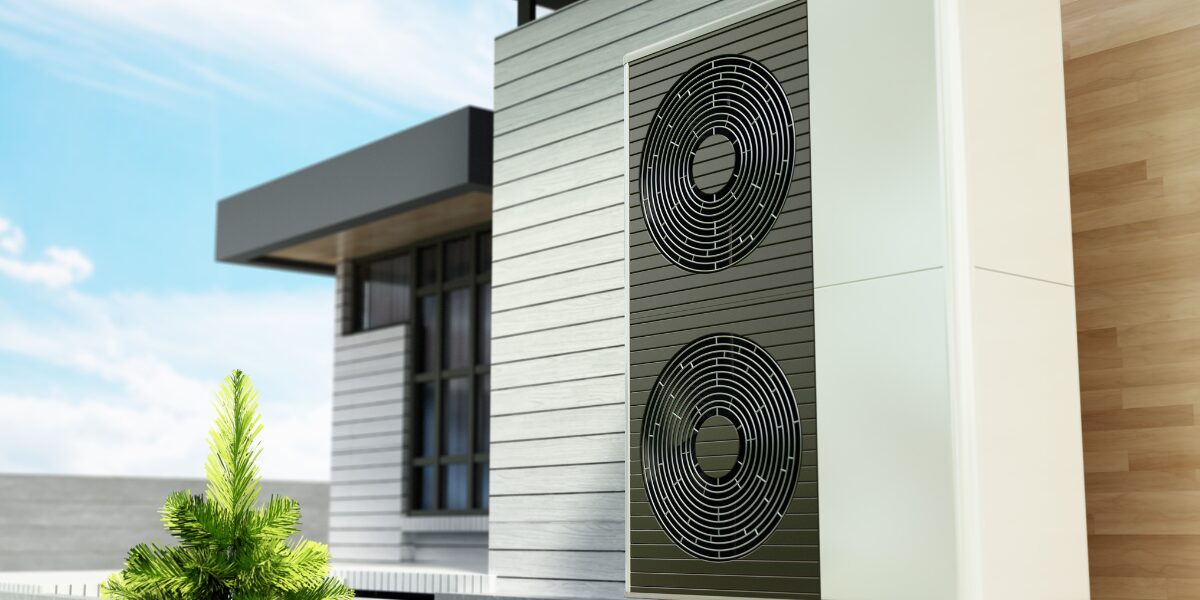
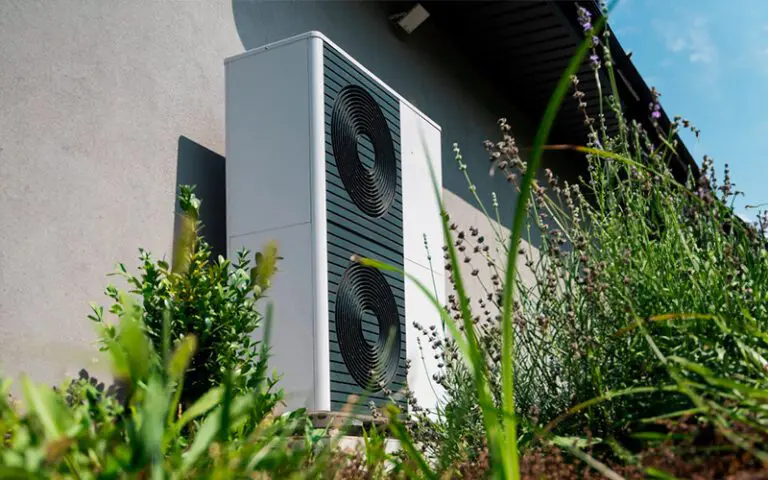
They’re installed on your building’s exterior and collect energy from the air, converting it into heat.
While air-source heat pumps are the loudest option, they usually don’t exceed 60 dB. Unlike the ground or water, the air’s temperature isn’t always consistent, which means the pump might need to work harder.
2. Ground-source heat pumps (up to 42 dB)
Ground-source heat pumps (GSHPs) are popular solutions for people with large outdoor spaces.
They’re able to generate consistent heating and cooling as the earth’s temperatures remain stable.
Elaborate pipe systems (made possible through ground loop design) transmit energy from the source to your home, providing heat or cold air.
Installing a ground-source heat pump also means you can look forward to low noise levels, as they typically emit up to 42 dB.
The biggest drawback of GSHPs is the installation process. If you don’t have a large garden, the service will need to install vertical boreholes, which can be more expensive.
3. Water-source heat pumps (up to 50 dB)
If you have a pond, river or lake nearby, installing a water-source heat pump (WSHP) will give you a consistent energy supply.
Unfortunately, accessibility issues mean many households can’t access these pumps easily. Not having a water source nearby makes the installation process for them expensive.
A WSHP is a bit noisier than ground-source pumps, with most reaching 50 dB.
Will my heat pump disturb the neighbours?
If you’re installing a heat pump in a residential area, it’s natural to be concerned about whether it will disturb your neighbours.
Modern air-source heat pumps have components that reduce excess noise, so most people won’t notice them.
Even in well-built-up areas, most people compare heat pump noises to a fridge.
A professional heat pump installation service will also evaluate your property and other houses to find a spot that causes the least disruptions.
How noisy are heat pumps in the winter?
A key concern among homeowners in the UK is whether heat pumps will cause excess noise in the winter.
(Some people even mistakingly worry about whether heat pumps work in cold weather – they do!)
Yes, air-source heat pumps work harder when it’s cold, but that doesn’t mean they become noise pollution issues.
Countries in Scandinavia are huge adopters of heat pumps, and the temperatures can drop to -9℃.
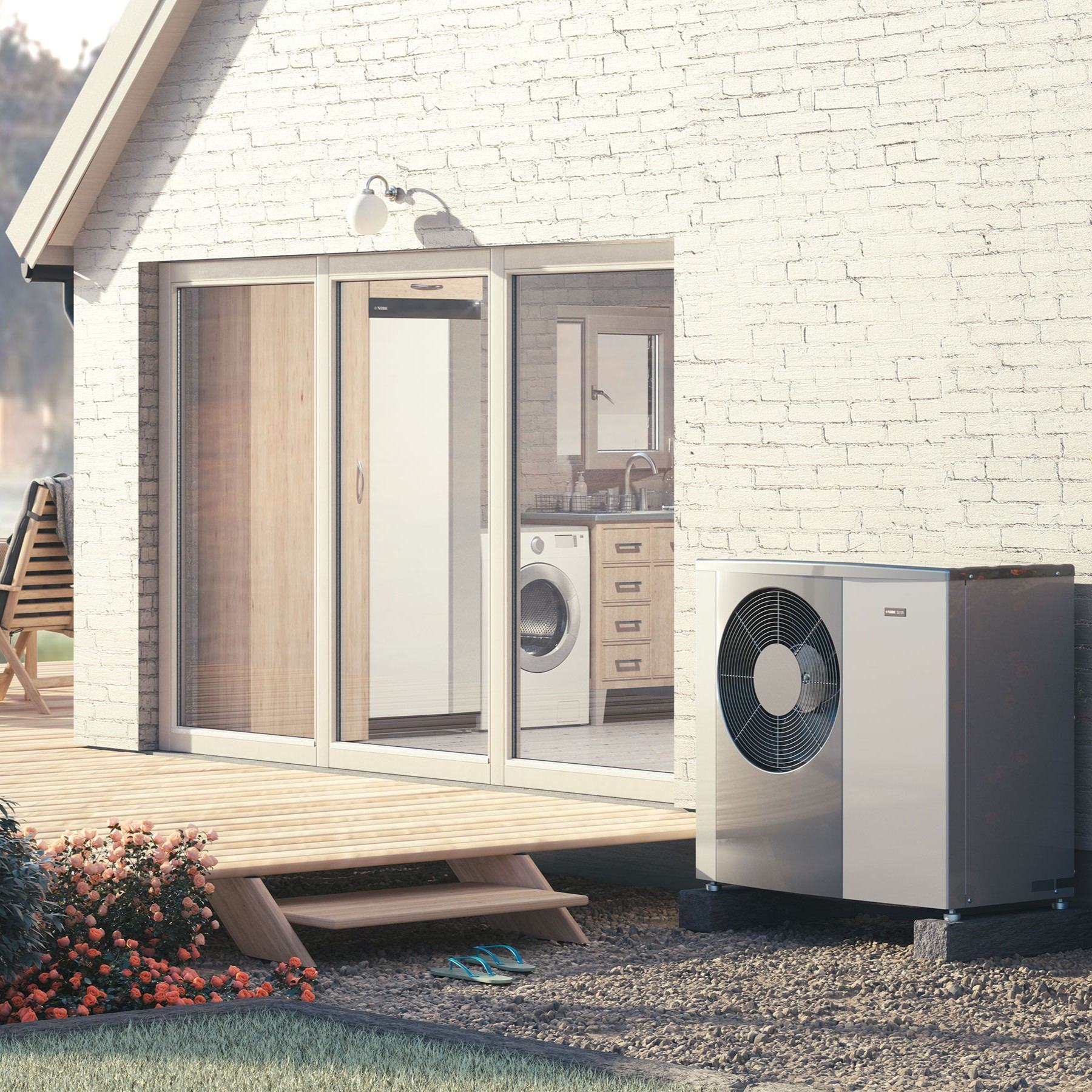
(See our review of the NIBE S2125 for an example of a great heat pump that thrives in the cold.)
When compared to the UK’s average winter temperature of 4-12℃, we can safely say that air-source heat pumps won’t cause severe disturbances.
How to reduce heat pump noise
Choose professionalism
Heat pumps are a relatively new concept in the UK and should only be installed by a professional service.
Boiler companies might not understand how to work with renewable energy solutions. But a specialist heat pump installation team will ensure the pump offers a seamless performance.
Select the right location
Finding an optimal place for your heat pump will ensure that it doesn’t cause issues for neighbours.
Your installation company will assess the right location and ensure there’s adequate ventilation.
There are some ways to block excess noise by creating a barrier, but you should always seek specialist advice.
Prioritise proper maintenance
Heat pumps are designed to last for years but still require regular maintenance.
As with boilers, you’ll need to check the pump for issues and ensure there’s no debris accumulation.
Your installation service might offer maintenance checks, which can save you time and money. It also prevents the need for expensive repairs or replacements.
Are heat pump installations noisy?
Heat pump installations should not be any noisier than regular building work.
(Furthermore, heat pump installation timelines are usually short in comparison to building work.)
However, the nature of the work varies depending on what kind of heat pump is being installed.
Air source heat pumps, for example, are often easily added to the buildings’ structures. By contrast, ground source heat pumps require excavation of the ground.
Final thoughts
Heat pumps have come a long way since 1855. They’ve arguably changed even more since the 1970s.
It’s safe to say we can likely expect advances in the near future that will reduce noise levels even further.
Whether you choose an air-source heat pump or prefer a quieter solution, remember that professional installation is everything.
Opting for a reputable company with experience working with heat pumps means enjoying a long-term heating and cooling solution.
Please get in touch with Geowarmth today if you’d like to get a quote or have any questions about heat pumps.
Our experts are ready to help you live greener and enjoy lower energy bills.